Authors: M.A. Mujtaba, Muhammad Adeel Munir, Sheeraz Ali, Jana Petrů, Talha Ansar, Waiz Akhlaq, Muneeb Ahmad, Haseeb Iqbal, Faisal Ali, Muhammad Nasir Bashir, Theodosios Alexander
Overview
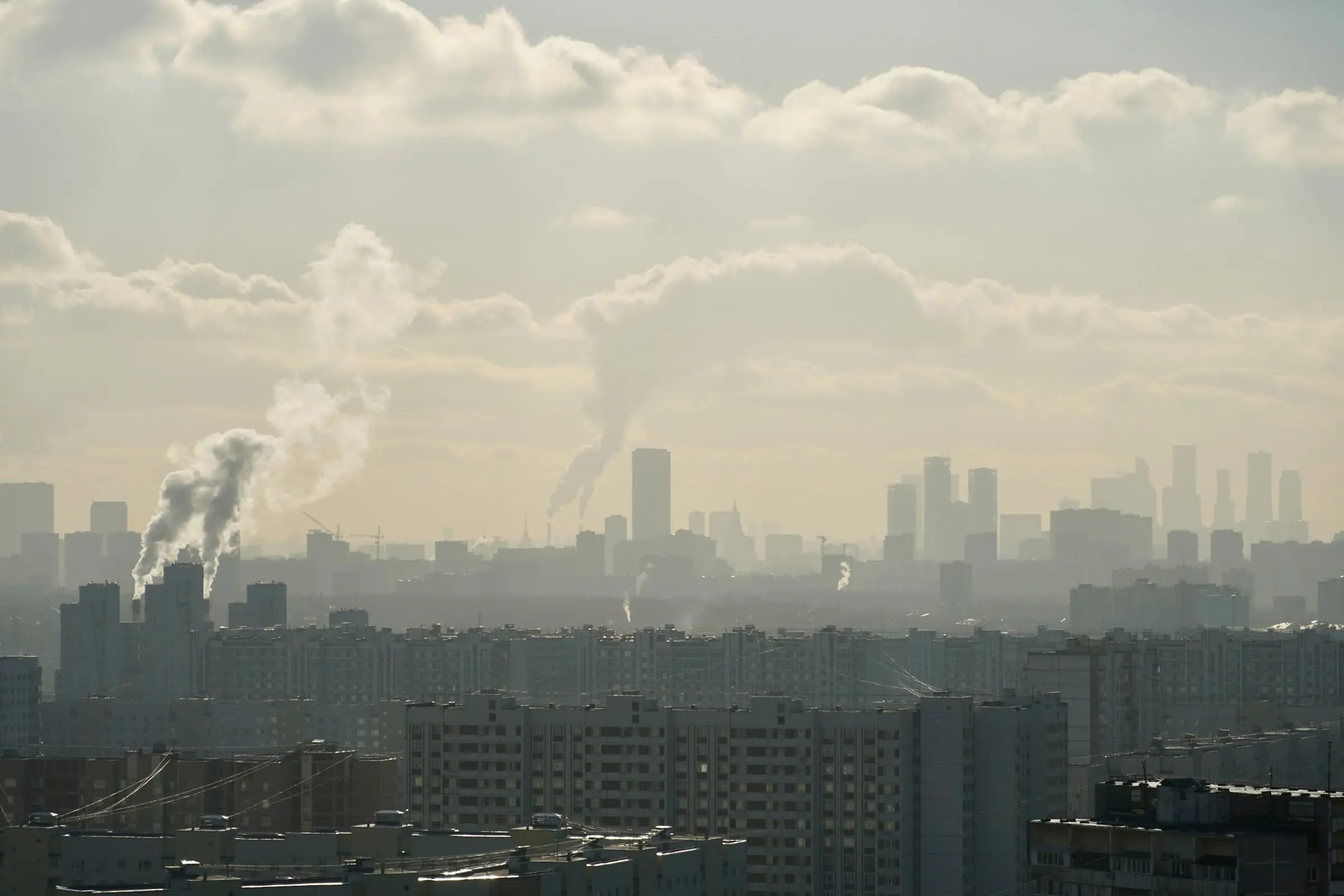
Rising PM2.5 levels make air pollution a serious public-health problem, linked to respiratory disease, heart disease and lung cancer. Reliable forecasts help protect health and plan mitigation, in line with the Sustainable Development Goal of good health and well-being.
The study forecasts air pollutant levels in Lahore, Pakistan, from 20 years of data (January 2003 to December 2022) covering eight pollutants and four weather variables. It compares SARIMA, SARIMAX, LSTM and non-linear autoregressive (NAR) time-series models, evaluated with RMSE and dynamic time warping (DTW).
Beyond the model comparison, it projects future air-quality trends and sets out pollution-mitigation strategies that regulators can use in planning and policy.
Key findings
- The non-linear autoregressive (NAR) model performed best, with an RMSE of 23.52 and a DTW of 5023.
- The air quality index (AQI) is projected to rise by 13% by 2030, relative to 2022.
- Covers 20 years of data on eight pollutants and four weather-related factors for Lahore.
- Proposes mitigation strategies to support SDG-aligned planning and policy.
This is our summary of the paper. The full text, with its abstract, figures and data, is on the publisher's site.
Details
- Journal
- Sustainable Futures
- Published
- Dec 2025
- Volume
- 10
- Article number
- 100981
- DOI
- 10.1016/j.sftr.2025.100981
Topics
Cite
M.A. Mujtaba, Muhammad Adeel Munir, Sheeraz Ali, Jana Petrů, Talha Ansar, Waiz Akhlaq, Muneeb Ahmad, Haseeb Iqbal, Faisal Ali, Muhammad Nasir Bashir, Theodosios Alexander (2025). Using machine learning for air quality prediction and sustainable urban planning. Sustainable Futures, 10, 100981. https://doi.org/10.1016/j.sftr.2025.100981